
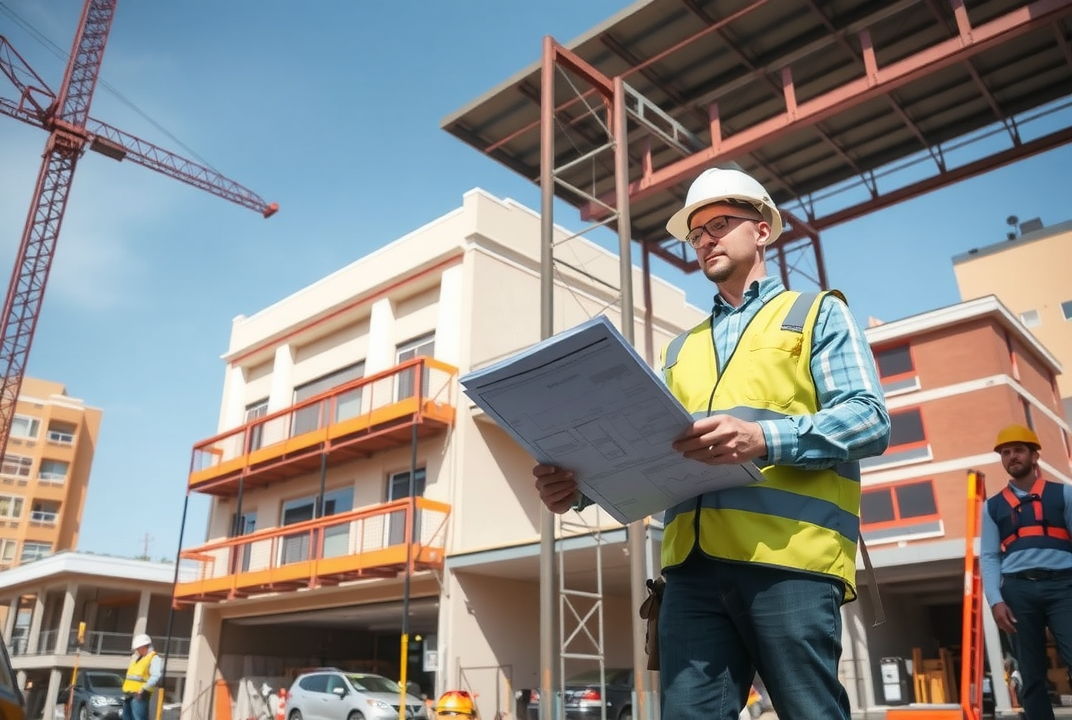
Navigating a soft-story retrofit project in San Jose can feel overwhelming for property owners. Understanding the soft story retrofit process from start to finish is essential for ensuring compliance with local mandates while protecting your investment. With seismic safety regulations becoming increasingly stringent in California, knowing each phase of this critical building upgrade helps you prepare for timelines, costs, and coordination requirements.
Understanding the Soft-Story Retrofit Process
The soft story retrofit process involves strengthening vulnerable buildings—typically older multi-unit residential structures with large openings on the ground floor like garages or commercial spaces. These openings create a "soft" or weak story that can collapse during earthquakes.
San Jose's seismic retrofit ordinance requires property owners to complete comprehensive structural upgrades. The project coordination management spans multiple phases, each requiring careful attention to detail and compliance with California building codes.
Why the Process Matters
- Seismic events are inevitable in the Bay Area, and soft-story buildings are among the most vulnerable structures during earthquakes. A systematic retrofit construction timeline ensures your building meets modern safety standards.
- Compliance with San Jose's mandatory retrofit program protects you from penalties while significantly increasing your property's value and insurability.
- Following the proper structural assessment process and engineering permit process prevents costly delays and ensures the work meets all regulatory requirements.
Phase 1: Initial Structural Assessment
The soft story retrofit process begins with a comprehensive structural evaluation conducted by professional structural engineers. This critical first phase establishes the scope of work required.
Preliminary Building Evaluation
During the initial assessment, engineers examine your building's structural system, identify vulnerabilities, and determine the extent of required reinforcement. This includes:
- Detailed inspection of the existing foundation, framing members, and connections to evaluate current structural capacity and identify weaknesses in the ground-floor support system.
- Review of original building plans (if available) and comparison with current conditions to understand any modifications that may have compromised structural integrity.
- Soil analysis and geotechnical evaluation to determine appropriate foundation reinforcement strategies based on San Jose's specific seismic zone requirements.
Assessment Report and Recommendations
Following the inspection, you'll receive a detailed engineering report outlining:
-
Required structural upgrades including shear wall installation, steel frame reinforcement, or foundation improvements
-
Preliminary cost estimates for the complete retrofit construction timeline
-
Code compliance requirements specific to San Jose's ordinance
Phase 2: Engineering Design and Permit Process
Once the assessment is complete, the building upgrade stages move into the critical design and permitting phase. This is where the engineering permit process becomes essential.
Structural Engineering Design
Structural engineers develop detailed plans showing:
- Precise placement and specifications for new shear walls, steel moment frames, or other reinforcement elements designed to resist seismic forces.
- Connection details between new structural elements and existing building components, ensuring proper load transfer during earthquake events.
- Foundation modifications required to support the new structural system and distribute seismic loads effectively.
Permit Submission and Review
The engineering permit process in San Jose involves:
- Submittal of structural plans to the San Jose Building Department for review and approval, including all required calculations and specifications.
- Plan check process where city officials review designs for code compliance, typically taking 4-8 weeks depending on project complexity.
- Addressing plan check comments and obtaining final permit approval before construction can begin.
Phase 3: Construction Implementation
With permits in hand, the actual retrofit construction timeline begins. This phase requires careful project coordination management among multiple parties.
Pre-Construction Preparation
Before work starts:
- Select a qualified contractor experienced in seismic retrofit construction who understands the specific requirements of soft-story projects.
- Notify tenants about the construction schedule, access requirements, and any necessary temporary relocations depending on the scope of work.
- Establish clear communication protocols between the contractor, structural engineer, property owner, and city inspectors.
Construction Phases and Timeline
The typical retrofit construction timeline includes:
Foundation Work (2-4 weeks): If foundation improvements are needed, this phase involves excavation, reinforcement installation, and concrete placement.
Structural Framing (4-8 weeks): Installation of shear walls, steel frames, or other primary structural elements occurs during this critical phase.
Connections and Detailing (2-3 weeks): Proper connection of new elements to existing structure ensures the system works as designed during seismic events.
Finishing Work (1-2 weeks): Drywall, painting, and restoration of affected areas returns the building to its pre-construction appearance.
Inspection Requirements
Throughout construction, multiple inspections verify compliance:
-
Foundation inspections before concrete placement
-
Structural framing inspections at critical milestones
-
Special inspections by certified inspectors for welding, bolting, and other critical connections
-
Final inspection confirming all work meets approved plans
Phase 4: Final Completion and Documentation
The final building upgrade stages ensure proper closeout and compliance verification.
Certificate of Completion
Upon passing final inspection:
- The city issues a Certificate of Completion or Notice of Compliance confirming your building meets San Jose's mandatory retrofit requirements.
- As-built drawings document the actual construction, providing an accurate record of all structural improvements for future reference.
- Final structural observation reports from the engineer of record confirm the work was completed according to approved plans.
Post-Completion Benefits
Completing the soft story retrofit process delivers significant advantages:
-
Full compliance with San Jose's seismic retrofit ordinance
-
Enhanced building safety for residents and reduced earthquake risk
-
Increased property value and improved marketability
-
Potential insurance premium reductions due to improved seismic resistance
ProStruct Engineering: Your Partner Through Every Retrofit Stage
Are you looking for expert guidance through the complex soft story retrofit process in San Jose?
Enter ProStruct Engineering!
At ProStruct Engineering, we specialize in comprehensive seismic retrofit projects throughout California, with extensive experience navigating San Jose's specific requirements. Our systematic approach to the structural assessment process and project coordination management ensures your retrofit proceeds smoothly from initial evaluation to final completion.
Our Comprehensive Services
- 35+ years of California seismic code expertise delivering accurate structural assessments
- Complete engineering permit process management with detailed plans meeting San Jose requirements
- Clear communication and coordination throughout the entire retrofit construction timeline
- Transparent, fixed-price proposals with no hidden fees or surprise charges
- On-site engineering observations ensuring compliance with approved designs and safety standards
San Jose Soft-Story Retrofit – Frequently Asked Questions (FAQs)
Q) How long does the complete soft story retrofit process typically take in San Jose?
The entire soft story retrofit process from initial assessment to final completion typically takes 4-8 months, though this varies based on building size, complexity, and permit review times. The actual construction phase usually represents 2-4 months of this timeline, with the remainder spent on assessment, design, and the engineering permit process.
Q) Can tenants remain in the building during retrofit construction?
In most cases, yes. The retrofit construction timeline is designed to minimize disruption, with work typically occurring in phases that allow most units to remain occupied. However, ground-floor units or those directly adjacent to construction areas may require temporary relocation during specific phases. Your structural engineer and contractor will develop a schedule that minimizes tenant impact.
Q) What happens if I don't complete the required soft-story retrofit in San Jose?
San Jose's mandatory seismic retrofit ordinance includes enforcement provisions for non-compliance. Property owners who fail to complete required retrofits by mandated deadlines face penalties including fines, potential restrictions on property transfers, and increased liability in the event of earthquake damage. Compliance protects both your investment and your legal position.
Q) How much does the structural assessment phase cost?
Initial structural assessment costs vary based on several factors including building size, number of units, structural complexity, and accessibility. This assessment is essential for determining the full scope of required work and obtaining accurate construction cost estimates. Many engineering firms, including ProStruct Engineering, offer transparent pricing for assessment services.
Conclusion
Understanding the complete soft story retrofit process empowers San Jose property owners to approach this mandatory requirement with confidence. From initial structural assessment process through final completion, each phase transforms vulnerable buildings into seismically resilient structures that protect lives and property.
The seismic retrofit steps may seem complex, but working with experienced professionals who understand San Jose's requirements makes the journey manageable. Proper planning of your retrofit construction timeline and attention to the engineering permit process ensures compliance while minimizing disruption.
ProStruct Engineering guides you through every phase of your San Jose soft-story retrofit project. With 35+ years of California experience and comprehensive seismic engineering expertise, we transform the retrofit process from an intimidating mandate into an opportunity to enhance your building's safety and value. Whether beginning assessment or moving forward with construction, ProStruct Engineering delivers the professionalism California property owners trust for all structural engineering needs.